
Common Mistakes Nebraskans Make When Exchanging Information After an Accident
Click For Free Consultation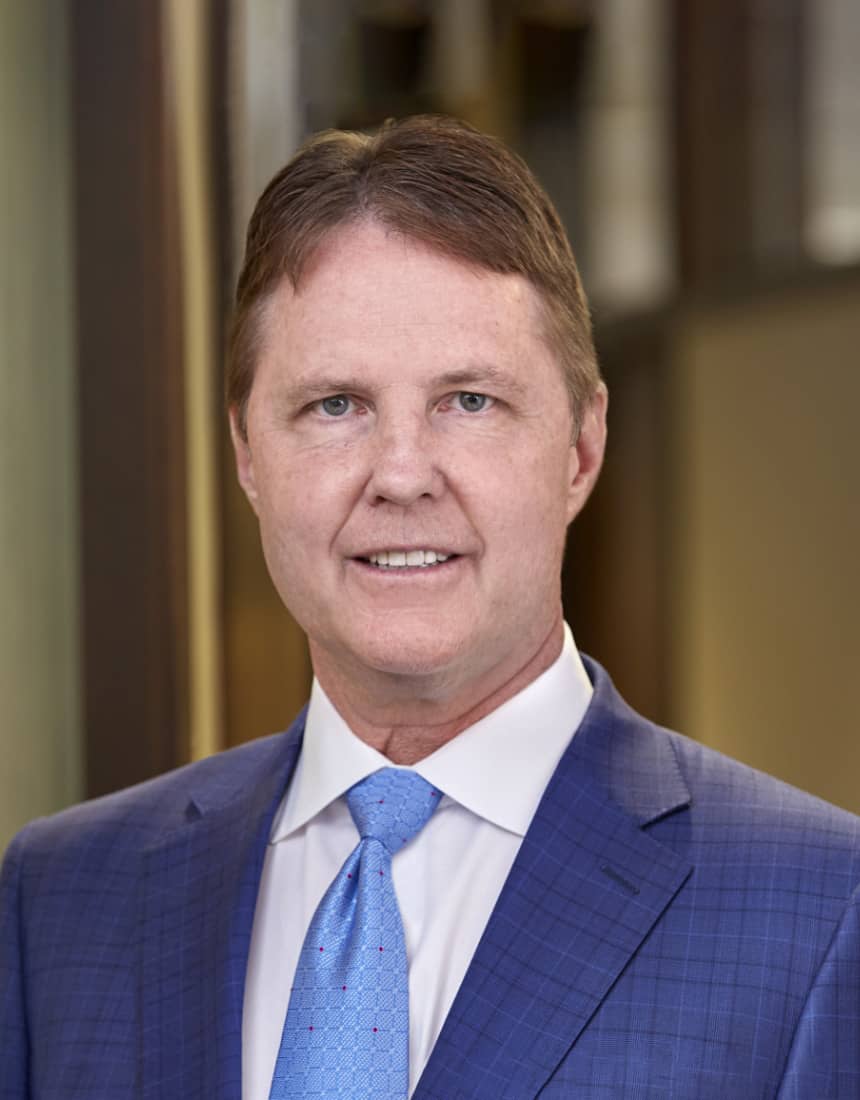
Legally Reviewed By: Robert M. Knowles
Attorney & Partner At Knowles Law Firm

The seconds after a car accident can feel like a blur, and what you do in those moments may have a bigger impact on your claim than you realize. Knowing the most common mistakes Nebraskans make when exchanging information at the scene, and what to do instead, can protect you when it matters most.
Attorney Ben Knowles of Knowles Law Firm has spent years helping Nebraskans recover after car accidents. With over 55 years of combined experience and a record of obtaining multi-million dollar settlements, the firm knows firsthand how overlooked details at the scene can shape the outcome of a case.
Not Collecting Complete Documentation
State law requires drivers to exchange their name, address, phone number, and driver’s license number with the other parties involved, along with vehicle and insurance information. What many people overlook, though, is actually documenting all of it. At minimum, you should collect the following at the scene:
- Insurance card: Take a clear photo of the other driver’s insurance card. Without it, an insurance company may not be able to locate a policy and will ask you to call back with more information.
- Driver’s license: Photograph the license itself. If the insurance information cannot be verified by name alone, the license becomes critical to tracking down the right policy.
- Vehicle photos: Capture the year, make, and model of the other car, which helps confirm the correct policy when a name is not enough.
- Scene photos and video: Document the vehicles, their positions, and the surrounding area from multiple angles.
Having this documentation on your phone can be the difference between a smooth claims process and one that stalls from the start. According to the Nebraska Department of Transportation, the state records thousands of motor vehicle crashes each year, many resulting in injuries, making thorough documentation at the scene all the more important.
Not Recording the Scene or Collecting Witness Information
After the COVID-19 pandemic, Nebraska police departments have become increasingly overburdened with calls. If vehicles can be moved and no one needs an ambulance, officers will often tell drivers to simply exchange information and file a report later. When that happens, the responsibility for documenting the scene falls entirely on you.
Recording the Scene
Attorney Knowles recommends acting as your own investigator when police do not respond. “Grab your phone and start recording immediately,” he said. “Initially, the other driver will make some sort of admission or apologize. However, after some time passes and the other driver realizes the police aren’t going to come and ticket them, they start to make up reasons why they weren’t at fault.” Narrating the video, including where each vehicle was and what the traffic signals showed, creates a record that can corroborate your account if the other party’s story changes later.
Collecting Witness Information
If bystanders stop and offer to help, getting their contact information is one of the most commonly missed steps at the scene. Ask witnesses to call your phone directly rather than simply exchanging numbers, so you can confirm the contact is accurate before they leave. Witness accounts are among the most valuable assets of any post-accident investigation, and are more so when police have not filed their own independent report.
What You Say Can Work Against You
It is natural to feel upset after a collision, but apologizing or minimizing what happened can create real problems for your claim. “You don’t want to be apologizing, even though you may feel badly that an accident just happened,” Attorney Knowles said. “Just being more matter-of-fact about it, asking for their information and keeping everything else to yourself, is the better approach.”
The consequences depend heavily on who hears what you say. While a casual remark to the other driver may carry little weight with an insurance company, statements made to police are a different matter. “If you say something to the police and it’s documented, that carries a lot more weight,” Attorney Knowles noted. An attorney can help you understand how statements made at the scene may affect your car accident insurance claim.
When to Call the Police
Even when an accident appears minor, calling the police is the better course of action. Officers will let you know if they cannot respond, and if they do come, their report provides an independent account of what happened. “Calling the police, even when you think it might not be necessary, is probably the better course of action,” Attorney Knowles said. “They’ll tell you if they are unable to come to the scene.”
If the other driver refuses to exchange information or leaves the scene, call the police immediately. You should also file a police report and document as much as you can on your own. The more you capture at the scene, the stronger your position will be if a dispute arises later.
Hurt in a Nebraska Accident? Knowles Law Firm Is Here to Help
If you were involved in a car accident in Nebraska and have questions about what comes next, our attorneys are ready to help. Attorney Ben Knowles and the team at Knowles Law Firm bring over 55 years of combined experience to every case, with a record of recovering multi-million dollar settlements for clients across the state. We are selective with our caseload, so every client receives direct attention from an attorney who knows their case.
You deserve real answers from someone who can actually help. To discuss your situation and learn how we may be able to assist you, complete our contact form.
About Our Attorney
Robert M. Knowles
Attorney & Partner at Knowles Law Firm
Robert has tried cases in both state and federal courts and was selected as one of the top 100 litigation lawyers in Nebraska for 2014 by the American Society of Legal Advocates. Less than 1.5 percent of lawyers nationally are selected for this recognition. He is rated AV by Martindale-Hubbell which is the highest rating an attorney can obtain. He was also selected by Martindale-Hubbell as a 2019 Top Rated Lawyer.

 Menu
Menu
