
Who Is Liable When Poor Lighting Contributes to a Parking Lot Accident in Nebraska?
Click For Free Consultation
Legally Reviewed By: Robert M. Knowles
Attorney & Partner At Knowles Law Firm
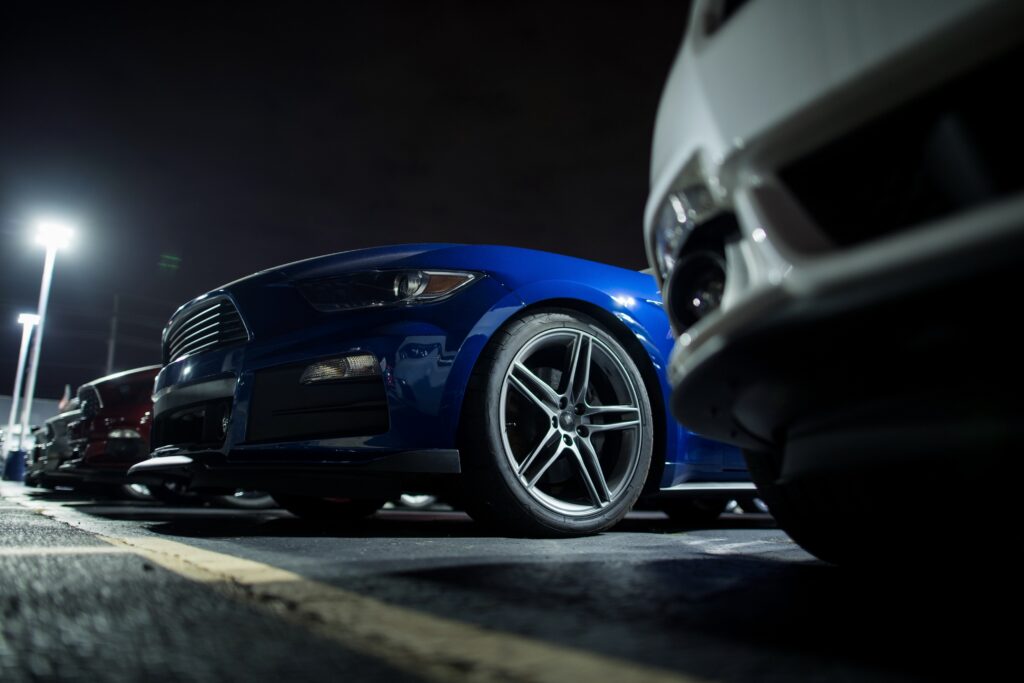
Shopping centers, apartment complexes, and office parks across Nebraska often leave drivers and pedestrians walking through parking areas after dark. When overhead lights are burned out, poorly placed, or simply too dim, drivers struggle to see pedestrians, parked cars, curbs, and potholes until it is too late. A single missed light pole or a shadowed corner of a lot can turn a routine trip to the car into a serious collision.
The lawyers at Knowles Law Firm have spent 55 years helping Nebraska families sort out who is responsible after an accident like this. Property owners and managers have a legal duty to keep parking areas reasonably safe, and that duty includes maintaining adequate lighting. When they fail to do so, and someone gets hurt as a result, more than one party may share the blame.
Who Is Responsible For a Poorly Lit Parking Lot
Liability for a poorly lit parking lot accident usually starts with the property owner. Under Nebraska premises liability law, a business or landlord that invites the public onto its property must inspect for hazards and correct them within a reasonable time. Burned-out bulbs, broken fixtures, and dark corners near entrances or walkways all count as hazards a property owner may be responsible for fixing.
Ownership is not always straightforward, though. Many commercial properties hire outside management or maintenance companies to handle lighting repairs, which means the company actually responsible for the upkeep may share liability alongside the property owner. In cases involving a business owner parking lot accident, records showing who was contracted to maintain the lighting can become an important part of the case.
When a Driver Shares Fault
Poor lighting rarely acts alone. A driver who was speeding, distracted, or not paying attention to pedestrians may share responsibility even if the lot was dangerously dark. Nebraska allows injured people to recover damages even when they are partly at fault, though the amount they can recover is reduced by their share of responsibility. This is why a full review of the scene, witness accounts, and any available surveillance footage matters so much after an accident like this.
Common Hazards Poor Lighting Creates
Dim or broken lighting does not just make it harder to see. It actively creates conditions where accidents become more likely, especially in high-traffic parking areas near stores, restaurants, and apartment buildings. Some of the most common hazards include:
- Vehicle-on-vehicle collisions: Drivers backing out of spaces cannot see oncoming traffic or pedestrians crossing behind them.
- Pedestrian strikes: People walking to their cars become nearly invisible to drivers in unlit rows.
- Slip and fall injuries: Potholes, curbs, and uneven pavement are harder to spot in the dark, leading to trips and falls.
- Increased crime risk: Poorly lit lots create opportunities for theft or assault, which can also expose property owners to negligent security claims.
Research from the National Institute of Justice has long identified lighting as one of the single most important design features for reducing crime and injury risk in parking facilities. Nebraska property owners who ignore this guidance may find it harder to defend a lighting-related injury claim.
Building a Strong Case After a Lighting-Related Accident
Proving a poor lighting claim means showing the property owner knew, or should have known, about the hazard and failed to fix it in time. This often involves gathering maintenance logs, prior complaints about the lighting, photos of the scene taken as soon as possible after the accident, and any available video footage from nearby businesses or traffic cameras.
Medical documentation also plays a major role. Thorough medical records connect the injury directly to the accident and help establish the full extent of harm, from emergency treatment through any ongoing care. Falls caused by low visibility are common enough that the CDC reports that falls remain a leading cause of injury nationwide, and inadequate lighting is a frequently cited environmental factor.
What To Do After a Parking Lot Accident
If you are involved in an accident in a dimly lit parking lot, try to take photos of the area before the lighting conditions change or repairs are made. Note the location of the nearest working and non-working lights, and look for any security cameras that may have captured the incident. If the accident involved a vehicle and resulted in injury, reporting the accident properly creates an official record that can support a claim later.
Seeking medical attention right away is just as important, even if injuries seem minor at first. Some injuries from falls or low-speed collisions do not show symptoms until hours or days later, and a prompt medical record strengthens the connection between the accident and the injury.
Talk To Knowles Law Firm About Your Parking Lot Accident
Poor lighting is a preventable hazard, and Nebraska property owners have a responsibility to fix it before someone gets hurt. When they fail, injured drivers and pedestrians may be able to hold the property owner, a management company, or another negligent party accountable for the harm caused.
The lawyers at Knowles Law Firm have helped Nebraska families pursue multi-million dollar settlements after serious accidents, and they can review the details of what happened to determine who may be responsible. Reach out through the firm’s contact form to discuss what happened.
About Our Attorney
Robert M. Knowles
Attorney & Partner at Knowles Law Firm
Robert has tried cases in both state and federal courts and was selected as one of the top 100 litigation lawyers in Nebraska for 2014 by the American Society of Legal Advocates. Less than 1.5 percent of lawyers nationally are selected for this recognition. He is rated AV by Martindale-Hubbell which is the highest rating an attorney can obtain. He was also selected by Martindale-Hubbell as a 2019 Top Rated Lawyer.

 Menu
Menu
