

Guide to Accident Claims Involving Rental Moving Trucks
Click For Free Consultation
Last Updated: February 2, 2026
Legally Reviewed By: Robert M. Knowles
Attorney & Partner At Knowles Law Firm
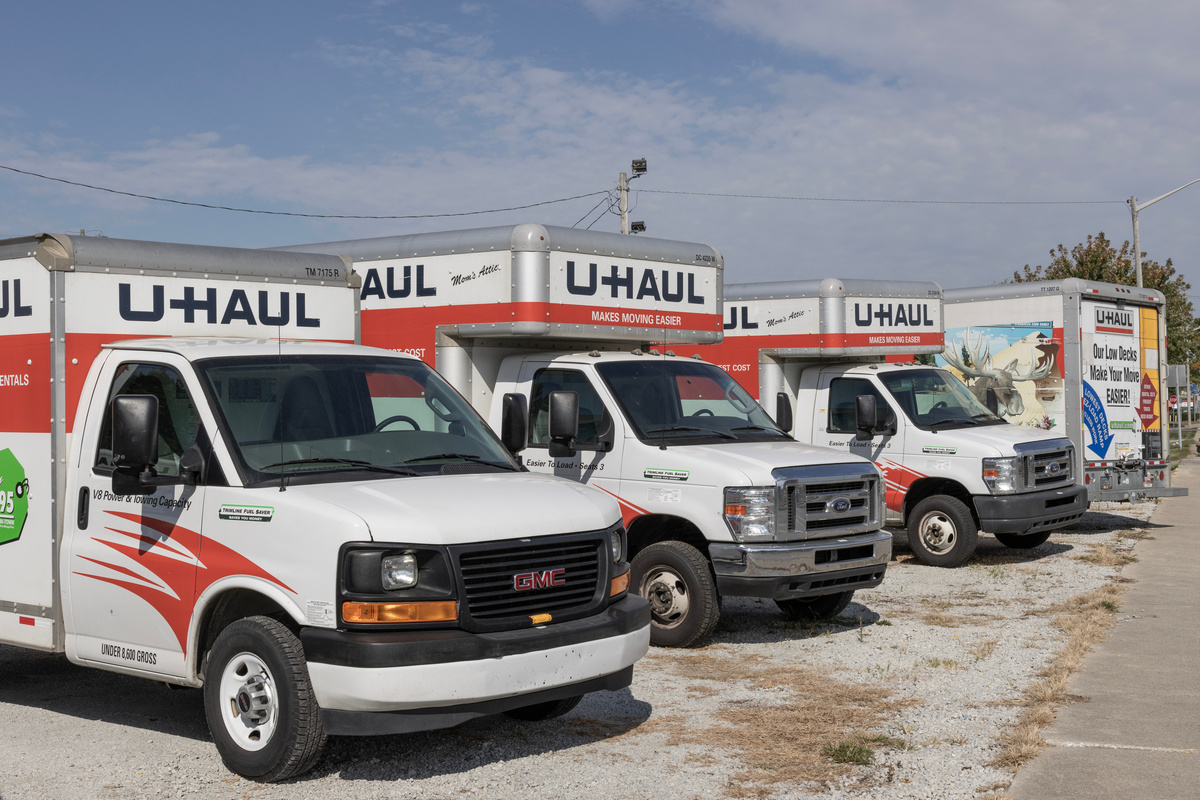 Accident claims involving rental moving trucks present unique challenges because multiple parties may share responsibility for your injuries, including the rental company, the truck’s previous renters, maintenance providers, and other drivers. These accidents often result in severe injuries due to the size and weight of moving trucks, while liability questions become complicated by the rental relationship and the varying experience levels of drivers operating unfamiliar, oversized vehicles. You may be able to seek compensation from several sources, depending on whether the accident resulted from mechanical failures, improper maintenance, inadequate driver instruction, or negligent operation by inexperienced drivers.
The personal injury lawyers at Knowles Law Firm understand the complex liability issues surrounding rental moving truck accidents and have successfully represented clients in these challenging cases for 55 years. Our experienced team knows how to investigate all potential sources of compensation and hold the appropriate parties accountable for your damages.
Accident claims involving rental moving trucks present unique challenges because multiple parties may share responsibility for your injuries, including the rental company, the truck’s previous renters, maintenance providers, and other drivers. These accidents often result in severe injuries due to the size and weight of moving trucks, while liability questions become complicated by the rental relationship and the varying experience levels of drivers operating unfamiliar, oversized vehicles. You may be able to seek compensation from several sources, depending on whether the accident resulted from mechanical failures, improper maintenance, inadequate driver instruction, or negligent operation by inexperienced drivers.
The personal injury lawyers at Knowles Law Firm understand the complex liability issues surrounding rental moving truck accidents and have successfully represented clients in these challenging cases for 55 years. Our experienced team knows how to investigate all potential sources of compensation and hold the appropriate parties accountable for your damages.
Understanding Liability in Rental Moving Truck Accidents
Liability in rental moving truck accidents often involves multiple defendants with varying degrees of responsibility. Rental companies have duties to maintain their vehicles properly, provide adequate safety instructions, and verify that renters possess appropriate licenses. When rental companies fail to inspect brakes, tires, or other critical safety systems, they may be held liable for resulting accidents. The person renting and driving the truck also bears responsibility for operating the vehicle safely and following all traffic laws. However, rental companies must provide reasonable instruction about the vehicle’s unique handling characteristics, blind spots, and braking requirements. Many rental moving truck accidents occur because drivers underestimate the vehicle’s stopping distance, struggle with backing up, or fail to account for the truck’s height when navigating under bridges or through parking structures.Common Causes of Rental Moving Truck Accidents
Several factors contribute to the high accident rate involving rental moving trucks. Inexperienced drivers often rent these vehicles without understanding their different handling characteristics compared to regular passenger vehicles. The combination of unfamiliar vehicle dynamics and the stress of moving creates dangerous driving conditions. Mechanical failures represent another significant cause of rental truck accidents. Rental companies may defer maintenance to maximize profits, leading to brake failures, tire blowouts, or steering problems. The high turnover rate of rental vehicles means they experience more wear and tear than typical trucks, yet some rental companies fail to implement adequate maintenance schedules.Warning Signs of Rental Company Negligence
Several red flags indicate potential rental company negligence in moving truck accidents:- Failing to inspect vehicles between rentals or document known mechanical problems
- Providing inadequate instruction about vehicle operation and safety features
- Renting trucks to drivers without proper license verification
- Ignoring customer complaints about vehicle performance or safety issues
- Deferring necessary repairs or maintenance to reduce operational costs
Challenges in Rental Moving Truck Accident Claims
Rental moving truck accident cases face unique obstacles that require experienced legal representation. Rental companies often attempt to shift blame entirely to their customers through broad liability waivers and rental agreements. While these contracts cannot eliminate all rental company responsibility, they can complicate claims and require careful legal analysis. Insurance coverage presents another challenge in rental truck accidents. The renter’s personal auto insurance may not cover damages from operating a rental truck, while the rental company’s insurance often includes high deductibles and coverage limitations. Determining which insurance policies apply and in what order requires detailed knowledge of insurance law and rental agreements. Evidence preservation becomes critical in rental truck cases because rental companies may quickly repair or dispose of damaged vehicles. Vehicle maintenance records, previous rental histories, and driver training documentation must be secured immediately to build a strong case.Protecting Your Rights After a Rental Moving Truck Accident
Taking prompt action after a rental moving truck accident protects your legal rights and preserves crucial evidence. Document the accident scene thoroughly, including the truck’s condition, any visible mechanical problems, and the rental company’s information. Obtain contact information from witnesses who observed the accident or the truck’s operation before the collision. Report the accident to both the rental company and relevant insurance providers, but avoid providing detailed statements until consulting with an attorney. Rental companies often attempt to gather statements that minimize their liability while maximizing the renter’s responsibility. Contact our office immediately to ensure your rights are protected throughout the claims process. Preserve all rental documentation, including contracts, inspection checklists, and any communication with rental company staff. This paperwork often contains crucial information about the vehicle’s condition and the rental company’s obligations that becomes important in establishing liability.Get Help with Your Rental Moving Truck Accident Claim
Rental moving truck accidents require experienced legal representation to navigate the complex web of potential defendants and insurance coverage issues. At Knowles Law Firm, we have the knowledge and resources to investigate these complicated cases thoroughly and pursue all available sources of compensation for your injuries. Our family-owned firm has obtained multi-million dollar settlements for clients throughout Nebraska, and we understand how to hold rental companies accountable when their negligence contributes to serious accidents. Don’t let rental companies escape responsibility for their role in your accident through confusing contracts and aggressive insurance tactics. Call us at (402) 431-9000 or complete our contact form for a free consultation about your rental moving truck accident case.
About Our Attorney
Robert M. Knowles
Attorney & Partner at Knowles Law Firm
Robert has tried cases in both state and federal courts and was selected as one of the top 100 litigation lawyers in Nebraska for 2014 by the American Society of Legal Advocates. Less than 1.5 percent of lawyers nationally are selected for this recognition. He is rated AV by Martindale-Hubbell which is the highest rating an attorney can obtain. He was also selected by Martindale-Hubbell as a 2019 Top Rated Lawyer.

 Menu
Menu
